
Regions
Basilicata and Lucania genealogy
How to find Basilicata ancestors when records say Lucania, and which state archive to open for Matera or Potenza.
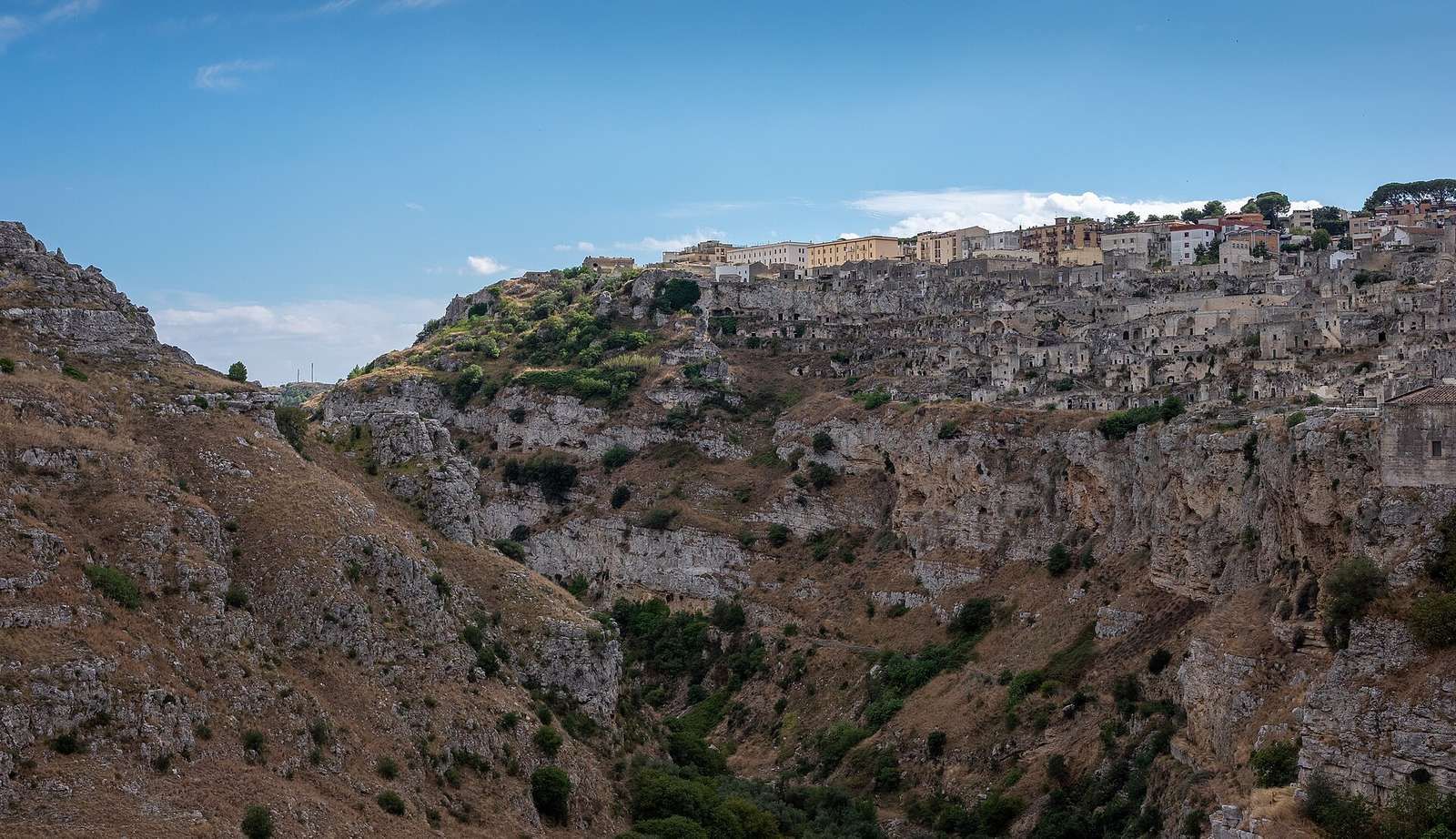
Basilicata is a small region with a large alias. Older records call it Lucania. Modern catalogs call it Basilicata. If you search only the word you happen to prefer, you will miss the catalog entry that used the other one. Search both. Then forget the regional name and search the town.
The provinces are Matera and Potenza. The state archives are the Archivio di Stato di Matera and the Archivio di Stato di Potenza. There is no Archivio di Stato di Lucania to discover, and there is no third province hiding under the old name. You open the two archives from Esplora gli Archivi and from archivi.cultura.gov.it. The Portale Antenati is the viewer for the civil registers those archives have contributed. This page names the archives. It does not hand you a guessed web address for either of them.
Lucania is not a birthplace
A document that says “born in Lucania” has done the same thing as a document that says “born in the south.” It has named a region. The hometown guide is the repair: compare a second record, separate any port from the town, test the string in a gazetteer, name the province, and only then open Antenati. The FamilySearch page on Italy Gazetteers is the help for that test. You need a source that knows the difference between a comune, a frazione and a historical name.
The alias also hides inside real town names. Albano di Lucania is a comune in the province of Potenza. The word Lucania in that name is not a second region and not an instruction to search the whole area. Similar compounds deserve the same treatment. Look up the full string. Do not chop it down to Lucania and start over.
Potenza is a city and a province. Matera is a city and a province. American clerks shortened both to the city they had heard of, or they substituted Lucania, or they substituted Naples. Each shortening points at a different mistake. The city is one set of registers. The other comunes in the province are other sets, in the same archive, under their own names. Naples is a port in Campania, explained on the Campania page, and it is not a Basilicata archive.
What the catalogs call the region
The Basilicata wiki on FamilySearch uses the modern regional name and divides the work by province. Older microfilm descriptions and some catalog notes still say Lucania, or they say Basilicata in one field and Lucania in another. If a title search fails, swap the regional word before you swap the town. The town is the part that was least likely to be modernized. The region label is the part a cataloger updated, or did not.
On Antenati, follow the archive rather than the regional essay. Choose the Archivio di Stato di Potenza or di Matera, then the comune, then the year. The portal’s research guide is the click-by-click logic: name search only where an index exists, place search when you know the event and the town. The Antenati walkthrough on this site matches those tools. A failed name search means you should browse. It does not mean the family was from the other province.
FamilySearch will often show the same volumes under a collection title for the province. Read the access line. A free account is enough for images that are open at home. It is not enough for images marked for a FamilySearch Center or an affiliate library. The FamilySearch guide tells you how to recognize that mark. Leaving the image unopened and concluding “not on FamilySearch” is the usual way a Basilicata search gets abandoned one step too early.
General years, local shelves
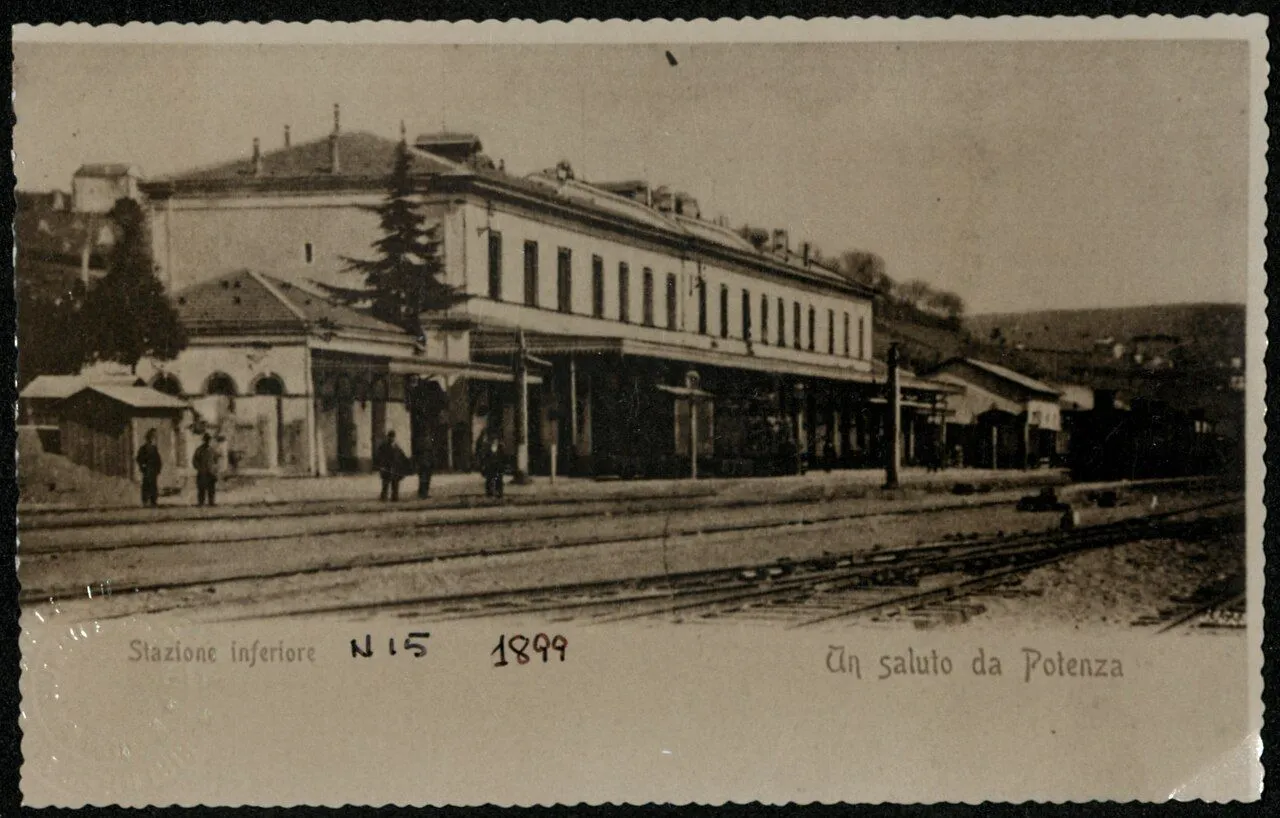
Postcard, Un saluto da Potenza, 1899, by Gabriele Agamennone. Biblioteca nazionale di Potenza. Public domain.
FamilySearch’s overview of important Italian research resources dates Napoleonic-style civil registration in the Kingdom of Naples from 1809, a Bourbon continuation from 1816, and unified Italian civil registration generally from 1866. Basilicata sits in that southern mainland story, so those are the ranges to keep in mind. They are not a statement that both provinces have the same gaps. Matera’s listing can include a year that Potenza’s listing, for a different town, does not, and the reverse. Open the town you have. Write down the first and last year you can actually see. That note is more useful than the general range once you are inside the archive.
Before the civil series, and in the holes, parish registers of baptism, marriage and burial are the other source. They are local. The word list will get you through an Italian civil act; parish books may be in Latin, and this region does not change that. Identify the parish from the comune or the frazione. Do not write to “the diocese of Lucania.”
When the film stops, the comune is the office that may still have the unfilmed year. Ask for one event, say the request is for family history, and ask what they charge. The worksheet has a row for that letter. The kit puts the Italian template and the log in one download. Neither tool will guess the town for you.
Reading what the act does with a small region’s families
Towns in Basilicata are distinct comunes even when they are a short walk apart. A marriage between two towns can put the groom’s birth in one register and the bride’s birth in another, sometimes in the other province. The marriage papers are often where the mother’s last name and the parents’ ages finally appear. Read them before you decide the family “isn’t in the index.” Indexes drop the mother, and Basilicata surnames are not so exotic that the index will be obvious. Common southern spellings are common here too. The southern family names page is the warning against treating the name as a regional badge. The distribution map is the warning against treating a telephone cluster as an 1800s census. A cluster in Potenza province is a place to look if a document has already said Lucania and you are choosing which American record to hunt next. It is not a comune.
Women’s names in the civil act stay their own. A passenger list may show a wife under her husband’s last name. The birth or marriage act in Matera or Potenza will not follow that American habit. Copy the act’s version. It is the one the next archive expects.
Invented example
Invented example. A petition says the man was born in Lucania. A brother’s passenger list, matched by the parents’ names, says last residence Melfi and port of departure Napoli. Lucania is the older regional name. Melfi is a comune in the province of Potenza. Napoli is the port. You open the Archivio di Stato di Potenza, then Melfi, then the year. You also try the word Lucania if a catalog title refuses Basilicata, but you do not open a phantom regional volume. You do not search the Archivio di Stato di Napoli for the birth. If Melfi’s year is missing at Potenza, you check FamilySearch for that comune, note any library lock, and only then write to the comune of Melfi.
If the brother’s list had said Albano di Lucania, you would still be in the province of Potenza, in that comune, not in a special Lucania archive. The extra word is part of the town’s name. Dropping it would send you looking for a different Albano.
Keep the choice narrow and the town specific
The comfort of this region is that the archive choice is narrow once the province is known. The discomfort is that the province is often unknown, because the document said Lucania or Naples or “the south.” Spend the time on a second American record. The New York passenger lists are one source. They are not the only decade and not the only port. An obituary, a marriage record or a sibling’s list may be the page that finally names Melfi or Matera or a smaller town.
The beginner guide is the full order. The regions hub is where Sicily, Calabria, Campania and Abruzzo sit beside this page. Use those guides when the gazetteer moves you across a border. A ridge is not an archive. Potenza and Matera are.
Sources
Questions readers actually ask
Should I search for Lucania or for Basilicata?
Search both. Lucania is the older name of the region. Basilicata is the name you will see on modern catalogs and on Antenati. Passenger lists, English gazetteers and family papers use either word, and sometimes they use Lucania as if it were a town. It is not a town. It is not a province. If the only place on a document is Lucania, you do not yet have a comune, and you cannot choose between the Archivio di Stato di Potenza and the Archivio di Stato di Matera. Find a second record that names a municipality, then search that municipality under both regional names if a catalog is picky about the label.
Which archive has the civil registers?
The region has two provinces, Matera and Potenza, and two state archives of those names. Open the Archivio di Stato di Potenza or the Archivio di Stato di Matera from Antenati's Esplora gli Archivi and from archivi.cultura.gov.it. The city of Potenza is not the register for every town in the province, and the city of Matera is not the register for the province of Matera. A place whose name contains the word Lucania, such as Albano di Lucania, can still be a comune in the province of Potenza. The word inside the town name does not create a third archive. Confirm the province in a gazetteer, then open that province's archive and that comune.
Why does a Basilicata ancestor's list say Naples?
Because Naples was a port. People from Potenza province and Matera province left through Napoli and through other ports, and the port was what a later clerk remembered. The birthplace is the comune in Basilicata, if that is what a residence or birth column actually says. Read the passenger list before you trust the one-word family story. The Campania guide explains the port in more detail. Opening the Archivio di Stato di Napoli for a person born in Melfi will not produce the birth. Melfi is in the province of Potenza, and the archive to open is the Archivio di Stato di Potenza, after you have confirmed the spelling in a gazetteer.