
Regions
Abruzzo genealogy records
How to search Abruzzo registers when older books say Abruzzi and when a town now sits in the newer province of Pescara.
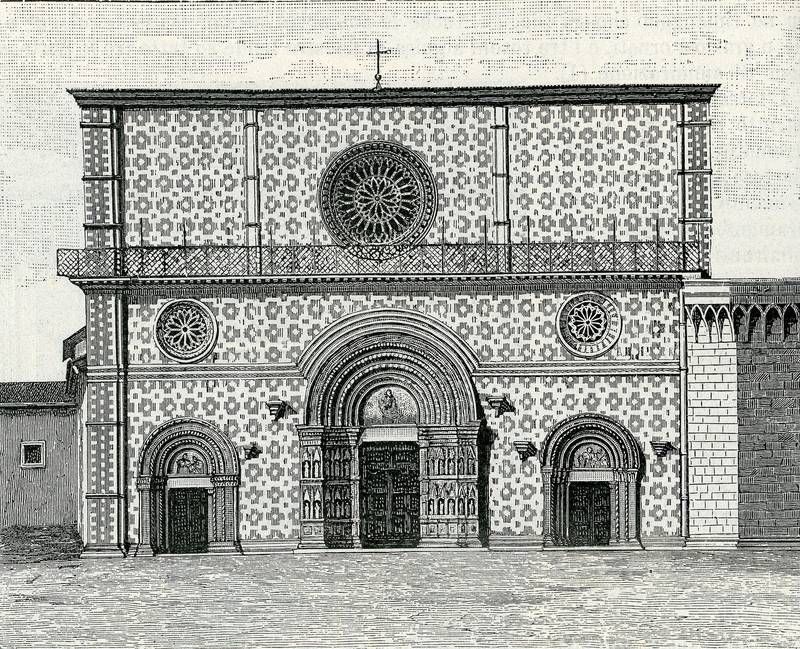
Abruzzo is a small region with a renaming problem and a provincial boundary that moved. Older English texts say Abruzzi. Catalogs today say Abruzzo. The provinces you have to distinguish are L’Aquila, Chieti, Pescara and Teramo. The state archives are the Archivio di Stato di L’Aquila, Chieti, Teramo and Pescara. You open them from Esplora gli Archivi on the Portale Antenati and from the Ministry portal at archivi.cultura.gov.it. Do not invent a hostname for an individual archive.
The regions hub explains the general rule: the comune holds the logic of the act, the province points at the archive, the region only chooses which warnings you need. Abruzzo’s warnings are the English name and the newer province of Pescara. Neither warning is a last name problem. A family story that says “Abruzzi” has given you a region and withheld the town. The hometown guide is how you get the town from a second record and a gazetteer.
Abruzzi is a word on the form, not a volume
When you copy a place from a passenger list or a petition, copy Abruzzi if that is what the clerk wrote. Then look the town up, not the regional nickname. The FamilySearch Abruzzo wiki uses the modern regional name and sends you onward by province. The Italy Gazetteers page is the help for deciding whether a string is a comune, a frazione or an old spelling. L’Aquila is both a city and a province. Chieti and Teramo are the same kind of double. Pescara is a city, a newer province and a word that may not appear at all in a document written before the province existed. The person can still have been born in a town that sits in Pescara now. The document will name the town, or it will name Abruzzi, or it will name the older province the clerk remembered.
Search the catalog under both the regional spellings if the first try fails. Then stop treating the region as the search. A browse of “everything in Abruzzo” is not a browse the portal offers, and it would not be a responsible use of an evening if it did.
Pescara’s records are split on purpose
Pescara is a newer province. This page does not state the year the province was created. What matters for research is where the papers went. The Guida generale degli Archivi di Stato, in its chapter on the Archivio di Stato di Pescara, is published on the Ministry’s archives site. That chapter says the province was formed from territory that had belonged to Chieti, L’Aquila and Teramo, and that many documents concerning the province are still conserved in those archives. It says the civil-registration material it describes for the earlier series refers to comuni that had been part of the provinces of Chieti and of Teramo. It names an exception you should not smooth over: the civil acts of Bussi, also called Bussi sul Tirino, and of Popoli, formerly in the province of L’Aquila, are kept at the Archivio di Stato di L’Aquila.
Read that as a method. If the town is in today’s province of Pescara, look first at the Archivio di Stato di Pescara on Antenati. If the year or the town is missing, look at Chieti, Teramo and L’Aquila before you decide the book does not exist. If the town is Bussi or Popoli and you are in the earlier civil series, the Guida points you at L’Aquila specifically. Confirm what Antenati lists on the day you search, because digitization projects move images and the guide is a description of custody, not a promise about which viewer holds which scan.
The same habit helps with FamilySearch. Collection titles may say Pescara, Chieti, Teramo or L’Aquila. Open the title that names your comune. If the images carry a lock for a FamilySearch Center or an affiliate library, a home account will not clear it. The FamilySearch Italy guide is the walkthrough. The lock is not a reason to reassign the family to a different province.
Ranges, and then the listing
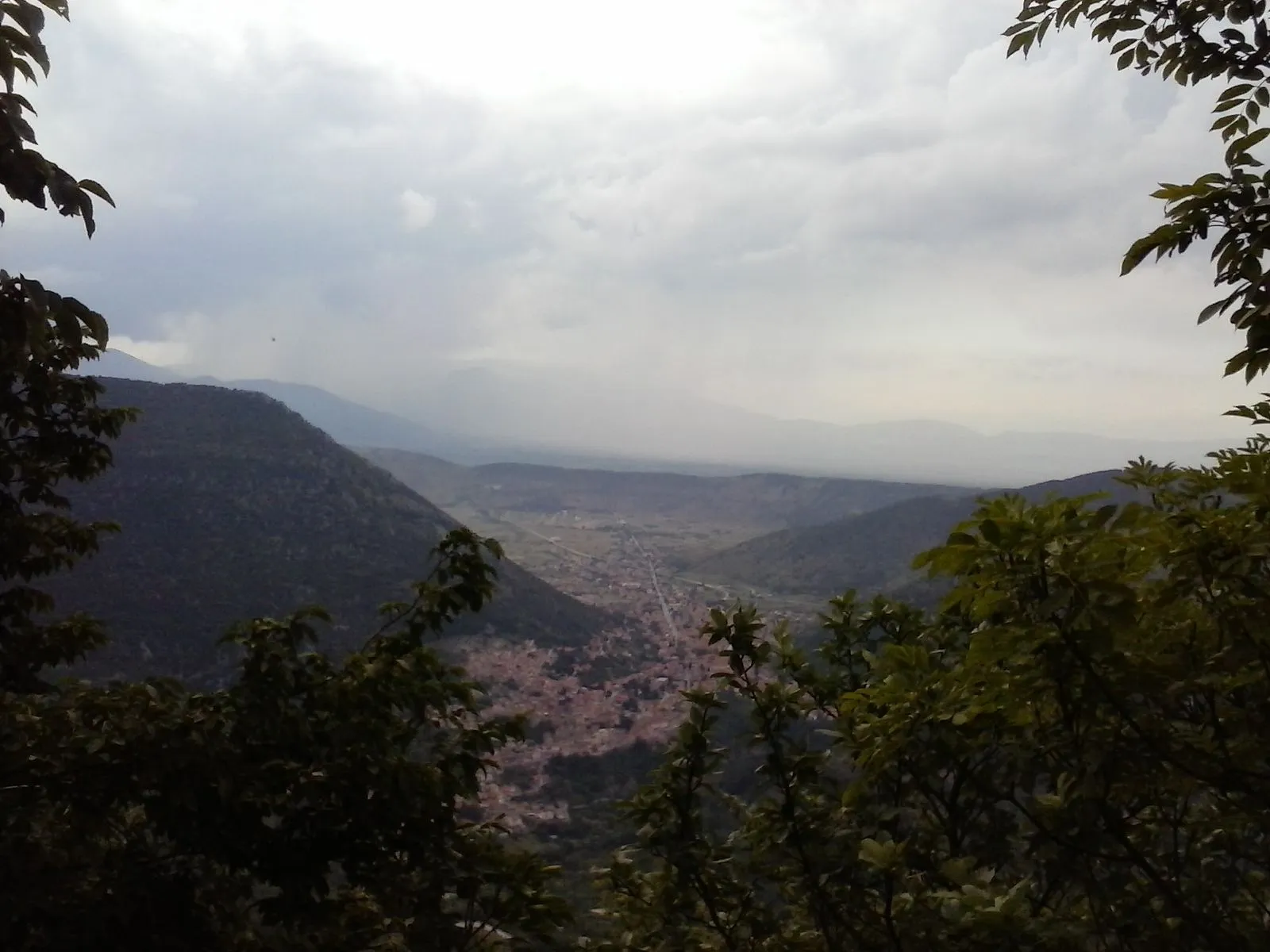
Hills in Abruzzo. Photograph by fotokoci, dedicated to the public domain under CC0.
Abruzzo belonged to the southern mainland pattern described in FamilySearch’s overview of important Italian research resources. That overview dates Napoleonic-style civil registration in the Kingdom of Naples from 1809, a Bourbon continuation from 1816, and unified Italian civil registration generally from 1866. Use the ranges to know what kind of book you hope to find. Use Antenati’s listing to know whether the book is on the shelf. The portal’s research guide distinguishes a name search, which needs an index, from a browse by place and year, which is the ordinary path.
Inside the year, use the indice decennale when the volume has one, then read the annual act. The index is a finding aid. It drops details and it misspells people. The act is the evidence. Copy both parents. The residence line may name a hamlet inside the comune, which is how you check that a garbled American spelling really was this town. The word list covers the formula. Keep the archive name on the same worksheet line as the act number, so you can return to the image.
Towns that sound like the province
Penne is a comune in the province of Pescara, not a nickname for the province. A document that says “Penne, Abruzzi” is ahead of a document that says only Abruzzi. You still confirm Penne in a gazetteer, because short place names repeat in Italy, and you still check the Pescara archive and the older provincial archives if the year is missing. The city of Pescara is not the default book for every town in the province. People who sailed from Naples, which is a port in Campania, were not born in the port just because the list says so. The Campania guide covers that mistake. It happens to Abruzzo families constantly. The passenger-list guide is how you read the New York manifest without promoting the port into a birthplace.
Neighboring towns in the mountains can belong to different provinces even when a family treated them as one landscape. A marriage between two comunes is two archive problems if the provinces differ, and one archive with two towns if they do not. Do not merge the towns because the last names match. Surnames in this region, as elsewhere, are clues only. The southern surnames page and the distribution maps explain the limits. A telephone-directory cluster is not a census from the century of emigration, and a crest sold for a spelling is not a noble grant.
Invented example
Invented example. An obituary says a woman was born in “Penne, Abruzzi,” and her brother’s passenger list says last residence Penne and port of departure Napoli. Penne is a comune now in the province of Pescara. Abruzzi is the older English name of the region. Napoli is the port, not a second birthplace. You search the Archivio di Stato di Pescara for the comune of Penne and for the birth year you calculated from the list. If that listing does not show the year, you do not stop. You check the archives of Chieti, Teramo and L’Aquila, because the Guida generale says many records of this newer province remained with the archives of the provinces the territory came from, and you read the Pescara chapter before you write to anyone. You do not browse the city of Napoli.
A second invented detail: the only word you have is “Popoli.” You would identify the comune, remember that the Guida places the earlier civil acts of Popoli at the Archivio di Stato di L’Aquila, and verify that against Antenati rather than against memory. Popoli is not a reason to search every town in Pescara province.
After the image, or instead of it
When you find the act, stay long enough to copy witnesses and the ages of the parents. Those ages are how you estimate the next birth years without pretending the estimate is a fact. When you do not find the year, the comune may still hold a copy that was not filmed. Write for one event and ask what the office charges. The kit collects the letter wording and the correspondence log. Parish books are the other gap-filler, especially before the civil series. Identify the parish from the town. There is no Abruzzo-wide parish index that replaces that step.
The beginner guide keeps the whole sequence in order: a record in the country of arrival, a comune, a province, Antenati, FamilySearch, then a letter. Abruzzo adds only two habits to that sequence. Search the word Abruzzi as well as Abruzzo. And when the modern province is Pescara, expect the papers to be split, and let the Guida generale and the catalog tell you which archive to open next.
Sources
Questions readers actually ask
Why do old books say Abruzzi instead of Abruzzo?
Abruzzi is the older English name for this region. You will see it in passenger lists, naturalization papers, gazetteers and English-language genealogies. It is not a different region and it is not a town. When a form says only "Abruzzi," you still need a comune. When it says a town and then Abruzzi, keep the town and use a gazetteer to learn which modern province contains it. Search both Abruzzo and Abruzzi if a catalog seems empty under one spelling. Molise is a separate region today. An older book that groups names loosely is not a reason to browse Molise's archives for an Abruzzo town, or the reverse, unless the gazetteer actually places the town there.
What should I do if a Pescara town is not in the Pescara archive?
Pescara is a newer province. The Guida generale degli Archivi di Stato, in the chapter on the Archivio di Stato di Pescara published through the Ministry's archives site, says the province was formed from territory that had belonged to Chieti, L'Aquila and Teramo, and that many documents for that territory are still in those archives. It also says the earlier civil-registration material it describes refers to comuni that had been part of Chieti and Teramo, while the civil acts of Bussi, also called Bussi sul Tirino, and of Popoli, formerly in the province of L'Aquila, are kept at the Archivio di Stato di L'Aquila. If a town is missing, search the other Abruzzo archives and read that guide, then confirm on Antenati. This page does not date the provincial change.
Where do I open Abruzzo civil registers online?
Start at Antenati's Esplora gli Archivi and choose the Archivio di Stato di L'Aquila, Chieti, Teramo or Pescara, then the comune and the year. The same archive names can be opened from archivi.cultura.gov.it. FamilySearch's Abruzzo wiki lists collection titles by province. Some images are viewable at home with a free account and some are limited to a FamilySearch Center or an affiliate library. Read the notice on the image. FamilySearch's overview of Italian resources dates Kingdom of Naples civil registration from 1809, a Bourbon continuation from 1816, and unified registration generally from 1866. Those are ranges. The listing for the town is the shelf list.